The 30-Second Check That Keeps a Village Defibrillator Alive
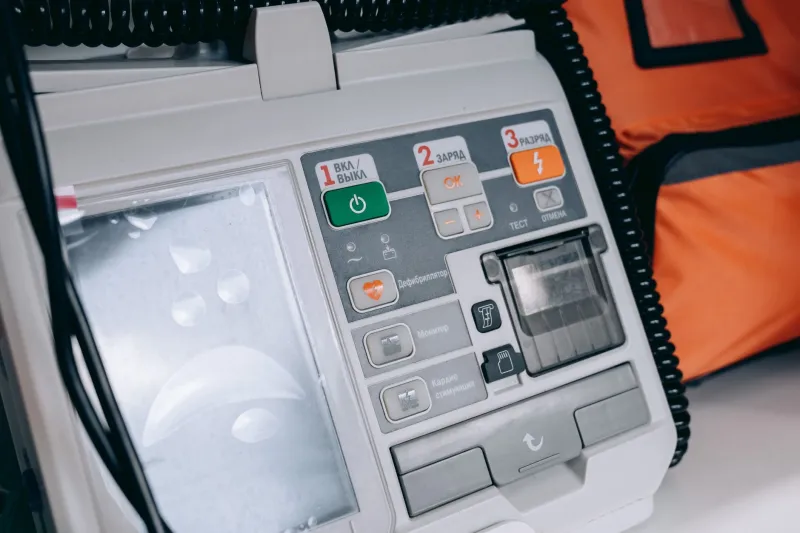
You know the green cabinet. It is screwed to the wall by the village hall, or the sports pavilion, or the side of the Co-op, and for most of the year it is just part of the furniture. Then something happens, someone calls 999, and a stranger is asked to run and fetch it. That is the moment the box stops being scenery and starts being infrastructure.
But a defibrillator is not ready simply because it is there. Behind every public access defibrillator — often called a PAD — there is usually a small, unglamorous system: a funder, a registration, a rota, and a volunteer with a clipboard. It is the sort of community plumbing that nobody notices until it leaks.
What 'ready' actually means
A defibrillator cabinet is not a fire extinguisher. You cannot just glance at it once a decade and hope. The check itself is usually quick: is the cabinet clean and unobstructed, is the green indicator light doing what it should, does the door open, are the pads in date, is the signage still visible from the road? Some cabinets give a code when you ring 999; others are unlocked. Either way, the machine needs to be reachable at two in the morning in the rain.
The pads are the bit people forget. They have expiry dates. The battery has a shelf life. The cabinet may have a heater or a light. None of it is difficult, but all of it is date-sensitive. A defibrillator with out-of-date pads is a bit like a smoke alarm with no battery: present, technically, but not much help.
Who pays, who registers, who checks
Funding tends to come from the usual village mix: a parish council grant, a fundraiser at the pub, a local business, a memorial collection, a quiz night with a surprisingly aggressive raffle. The cabinet might be donated, but the upkeep is not free. Pads and batteries cost money, and someone has to remember to order them before the date on the packet becomes a problem.
Registration matters just as much. In the UK, defibrillators can be registered with the local ambulance service through The Circuit, the national defibrillator network run by the British Heart Foundation. That is how a 999 call handler can tell a caller where the nearest machine is. An unregistered defibrillator may as well be in a cupboard. If yours is not on the map, that is worth raising with whoever looks after it.
The checking rota is usually made up of people who would not describe themselves as medical. They might be the same people who litter-pick, stack chairs, or open the hall for the coffee morning. The job is not to use the machine unless needed. The job is to make sure the next person who needs it is not met with a flat battery and a stale packet of pads.
The newcomer and the voice prompt
One of the quiet pleasures of a training session is watching someone realise that the defibrillator is not a mysterious piece of hospital kit. It talks. It gives instructions. It tells you where to put the pads and when to stand clear. It will not shock someone who does not need it. The hardest part is usually opening the cabinet, getting the pads on a stranger's bare chest, and remembering to put the phone on speaker so the call handler can hear what is happening.
A newcomer often arrives saying they would not know what to do. They leave saying the machine is the easy bit. That is the point of learning before you need it. The voice prompt is calm and repetitive. It does not mind that you are frightened. It just wants you to follow the next instruction.
How to book a session before you need one
Start with the people who already look after the cabinet: the parish council, the village hall committee, the community association, or the sports club. Ask whether there is a rota, when the pads were last checked, and whether anyone has run a training session recently. If there is no rota, that is your opening.
For actual training, try your local ambulance service's community defibrillator team, the British Heart Foundation's Heartstart courses, or St John Ambulance. Many sessions are free or low-cost, especially for community groups, and some will come to a village hall if you can gather a dozen neighbours. Ask specifically for CPR and AED awareness. Two hours is often enough to turn a room of hesitant people into people who would at least have a go.
If you are organising, book the hall, put a note in the newsletter, and ask the ambulance service what they need from you: cabinet location, access hours, who holds the code, who the guardian is. Then put the date in the same place you put the quiz night. It is not morbid. It is the same sort of practical neighbourliness as knowing where the stopcock is.
The quiet test
Next time you pass the green cabinet, glance at it. If the light is on and the door is clear, someone has been doing the unglamorous bit. If it is not, ring the number on the cabinet or tell the parish clerk. That is a thirty-second act of community care — and it might be the most useful thing any of us does all week.