Pull Up a Chair: The Village Hall Meeting That’s Less Mysterious Than It Looks
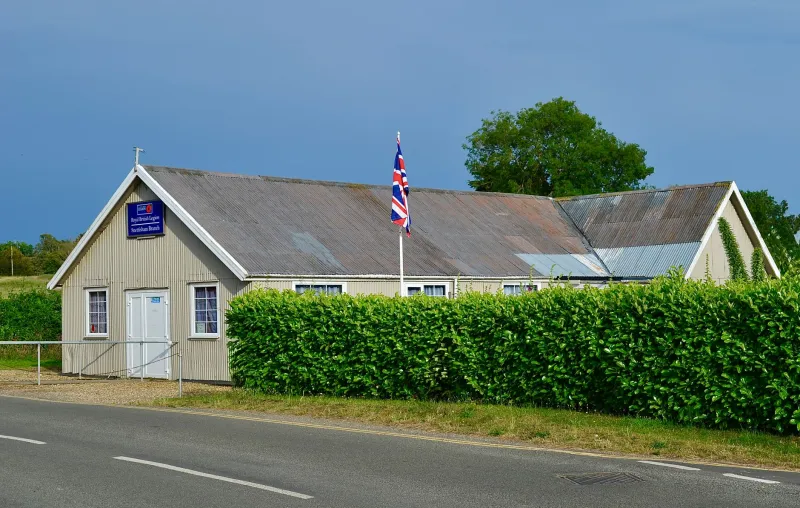
On a damp Tuesday in November, the village hall car park fills up in a slow, familiar way. Someone is carrying a box file. Someone else is balancing a flask. The lights hum, the chairs get arranged into a loose horseshoe, and a small pile of papers lands on the table by the door. If you have ever walked past that scene and wondered whether it was an open meeting or a private club, here is the good news: it is almost certainly open, and you are almost certainly allowed to sit at the back and listen.
Parish and town councils are the smallest layer of local democracy in England, and they deal with the things you can actually see from your kitchen window. Bus shelters. Allotments. The state of the verge outside the school. Whether the football club gets a small grant. Whether that streetlight at the end of the cul-de-sac is ever going to be fixed. The meeting is not glamorous, but it is where a lot of neighbourhood life gets decided.
First, find the paperwork
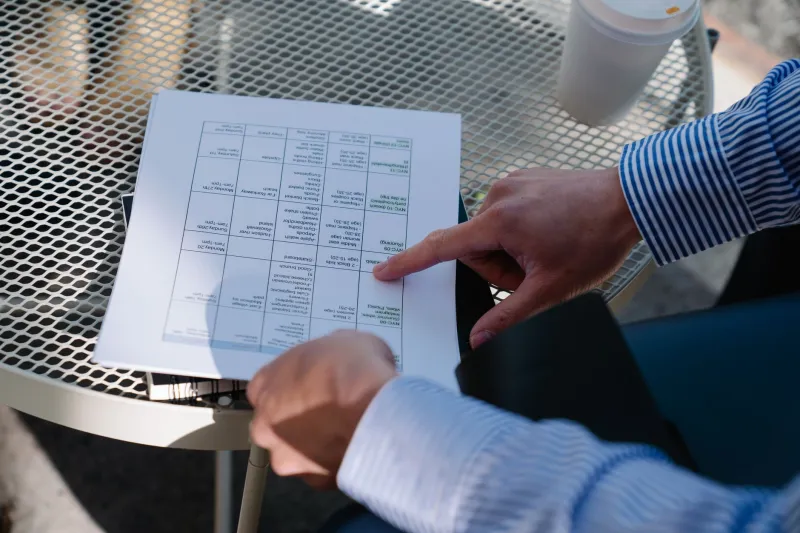
You do not need an invitation. Councils publish notice of their meetings, usually on a website, a noticeboard, or both. Look for the agenda — the list of items to be discussed — and the minutes of the last meeting. The agenda is the useful bit. It tells you what is coming up, roughly in what order, and whether there is a public forum where residents can speak.
If you cannot find it online, ask the clerk. The clerk is the council’s paid officer, not a councillor, and is usually the person who knows where everything is and why the photocopier is making that noise. A short email asking for the date, time and venue of the next meeting is perfectly normal. So is asking for the agenda in advance.
The top of the agenda is not just housekeeping
The first few items can look like admin for admin’s sake: apologies, declarations of interest, minutes of the previous meeting. They matter more than they appear. Apologies tell you who is not there. Declarations of interest are how councillors flag that they have a personal or financial interest in an item — a relative’s planning application, a business that might benefit from a grant — so they can step back from that decision. It is a small piece of honesty built into the evening.
The minutes are the record of what was agreed last time. They are not a transcript, and they are not meant to be. They are the council’s memory. If you want to know why the bench by the bus stop disappeared, the minutes are where the paper trail starts.
The public forum is your five minutes
Many councils set aside a short public forum near the start. This is your chance to raise a point, ask a question, or explain why the path to the shops floods every time it rains. It is not a debate, and it is not a chance to interrogate individual councillors. Think of it as handing over a useful piece of information in a calm voice.
A good approach is to be specific and brief. “I live on Mill Lane. The drain outside number 14 has been blocked since the summer, and the pavement floods. Could the council ask the highways team to look at it?” That is much easier to act on than a general complaint about drainage. If you have photos, bring them. If you have a date, include it. If you are asking for money, say what for and roughly how much.
Planning applications: not just extensions
Planning items can dominate an agenda, and they can be the most confusing part. Parish councils are often consulted on planning applications, but they are not the planning authority. They can comment, support, object, or ask for conditions. They cannot simply approve or refuse a scheme. That job usually sits with the district or unitary council.
When a planning item comes up, listen for the details: the address, the type of application, and what the council is being asked to comment on. You do not need to understand every line of the officer’s report. You do need to know that this is a formal process with deadlines, and that a well-argued comment about parking, drainage or light pollution is more useful than a general feeling that the village is changing.
Where verges and streetlights become decisions
Then there are the items that sound almost too small to be on a formal agenda. A request to cut back a hedge. A quote for a new bin. A grant of £150 to the lunch club. A letter about the speed limit. A complaint about dog waste. These are the bread and butter of parish life, and they are exactly the sort of thing that makes a neighbourhood feel looked after — or not.
Watch how a decision happens. Someone introduces the item. The clerk gives the background. A councillor proposes something. Another councillor seconds it. There is a vote, usually by a show of hands. The clerk writes it down. It is not theatrical, but it is a real decision made by people who live nearby and are willing to spend an evening on it.
One useful hour
You do not have to speak. You do not have to stay for the whole thing. You can sit at the back, listen to how the council works, and leave during the tea break if there is one. But if you go once, the next agenda will make more sense. You will recognise the names. You will know which item is likely to be quick and which will attract a long discussion about parking.
Civic confidence is not about knowing every rule. It is about knowing that the door is open, the agenda is public, and the people deciding where the grit goes are not an secret society. They are your neighbours, in a cold hall, doing the unglamorous work of keeping the place going. Pull up a chair. You might even enjoy it.