Your Street Already Has a News Network. You Just Haven't Been Added to It Yet
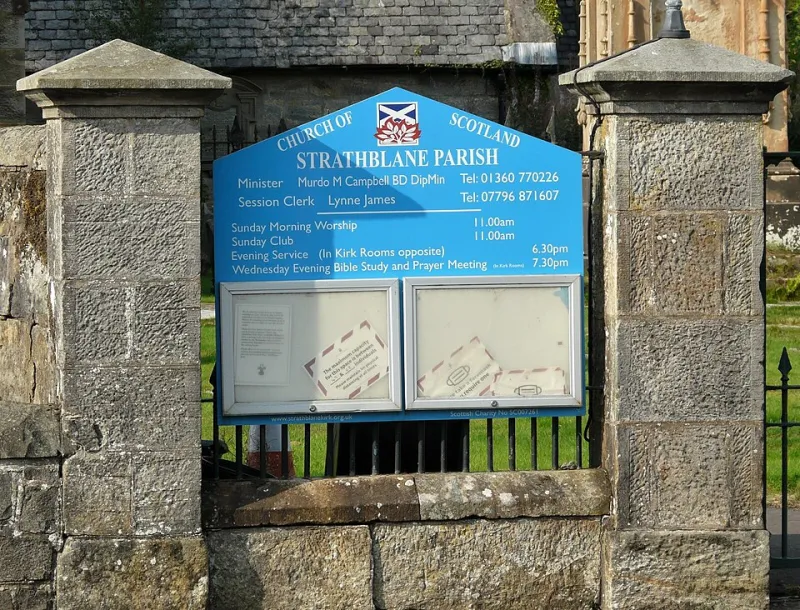
Photo: Richard Sutcliffe , CC BY-SA 2.0, via Wikimedia Commons
On a damp Tuesday in October, a pipe burst under the pavement on Ashfield Road. By 9.14am, the street's WhatsApp group had a photograph of the water, the name of a plumber who answers his phone, and two offers of a kettle. The council's automated email arrived on Thursday.
That is how local news travels in 2026. Not top-down. Sideways.
The laminate board by the church gate still runs the show
Maureen has looked after the noticeboard by St Cuthbert's gate for nineteen years. She has a laminator, a box of drawing pins and a firm view on font sizes. 'The board doesn't buzz,' she says. 'It doesn't need charging. And people still stop at it while they're waiting for the 47.'
Her rules are simple: one event per card, the date in the biggest type, a phone number a human answers, and nothing that has already happened. She takes things down on the Monday after. 'If it's still up a fortnight later, people stop believing the board,' she says. That is the quiet genius of the parish noticeboard: it is edited. Someone has decided what goes on it. In a feed full of everything, that still counts for something.
The group chat is fast, flawed and completely indispensable
Priya runs the Oakfield Road and Nearby group, 214 members and a rulebook pinned to the top. 'We knew about the roadworks before the council did,' she says. 'Someone saw the cones, took a photo, and we all rerouted.' But the group also knows about a missing cat, a spare freezer and a toddler's red wellies. It is not a news service. It is a neighbourhood with a pulse.
Her rules are practical: no politics, no selling, one reminder per event. 'The moment people start cross-posting the same poster to six groups, the group becomes wallpaper,' she says. 'You stop reading it.' Her tip for event organisers is blunt. Send the admin one message, one photo, one line. Ask them to post it. Do not join six groups to broadcast the same thing. 'We can tell,' she says.
The person who still prints things
Derek is 64 and prints forty A5 flyers at the library for 12p each. He pins them in the newsagent's window, the post office, the surgery and the café that still has a corkboard by the till. 'Not everyone lives in their phone,' he says. 'My neighbour doesn't. She's 88. She still wants to know about the quiz night.'
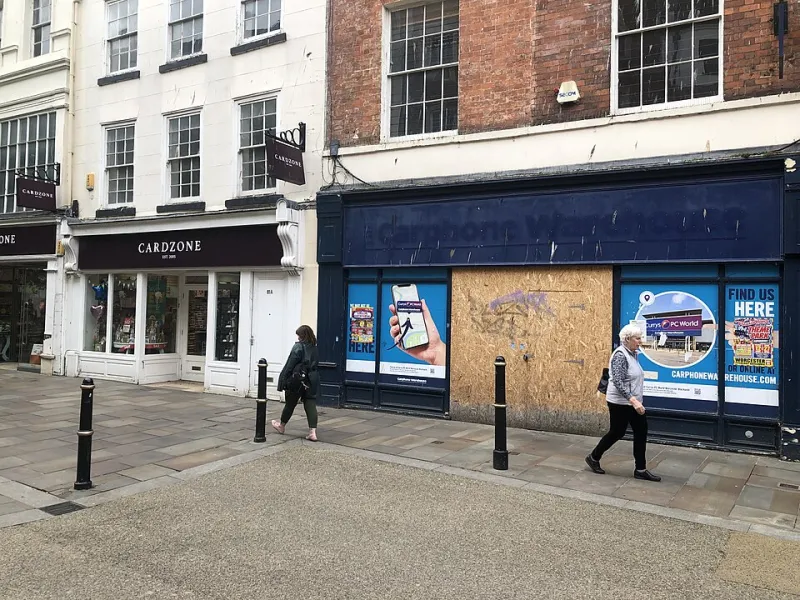
The high street is a distribution network with a window and a till. Ask permission before you pin. Take it down after. And if the café says no, do not take it personally. Their corkboard has a waiting list.
How to get your event noticed without becoming a human spam cannon
- Choose one home: a community listing, the library board, the church board or the group chat. Make that the canonical version.
- Write it once, plainly: date, time, place, cost, contact and accessibility. No poster-only PDFs.
- Make a short link or a QR code. People will not type a 74-character URL while holding a shopping bag.
- Ask two real humans to share it, rather than six platforms. A recommendation travels further than a broadcast.
- If you use a group chat, message the admin first. One photo, one sentence, one ask.
- Put it up physically where you have permission. Take it down the week after.
- After the event, post a thank-you and a photo. People remember who thanked them.
What sideways news does well
Sideways news is fast, human and self-correcting. Someone says the road is closed; someone else says it reopened at noon. The group chat is not the newspaper, and the council is not the enemy. They are two different nervous systems. The best neighbourhoods use both.
So if you are not in your street's group, ask a neighbour. If you are, be the one who checks before forwarding. And if you see Maureen with her laminator, say thank you. She is running a small, analogue, deeply trusted newsroom by the church gate.