Dial-a-Read: Inside the Phone Box Library That Runs on a Rota and a Bit of Trust
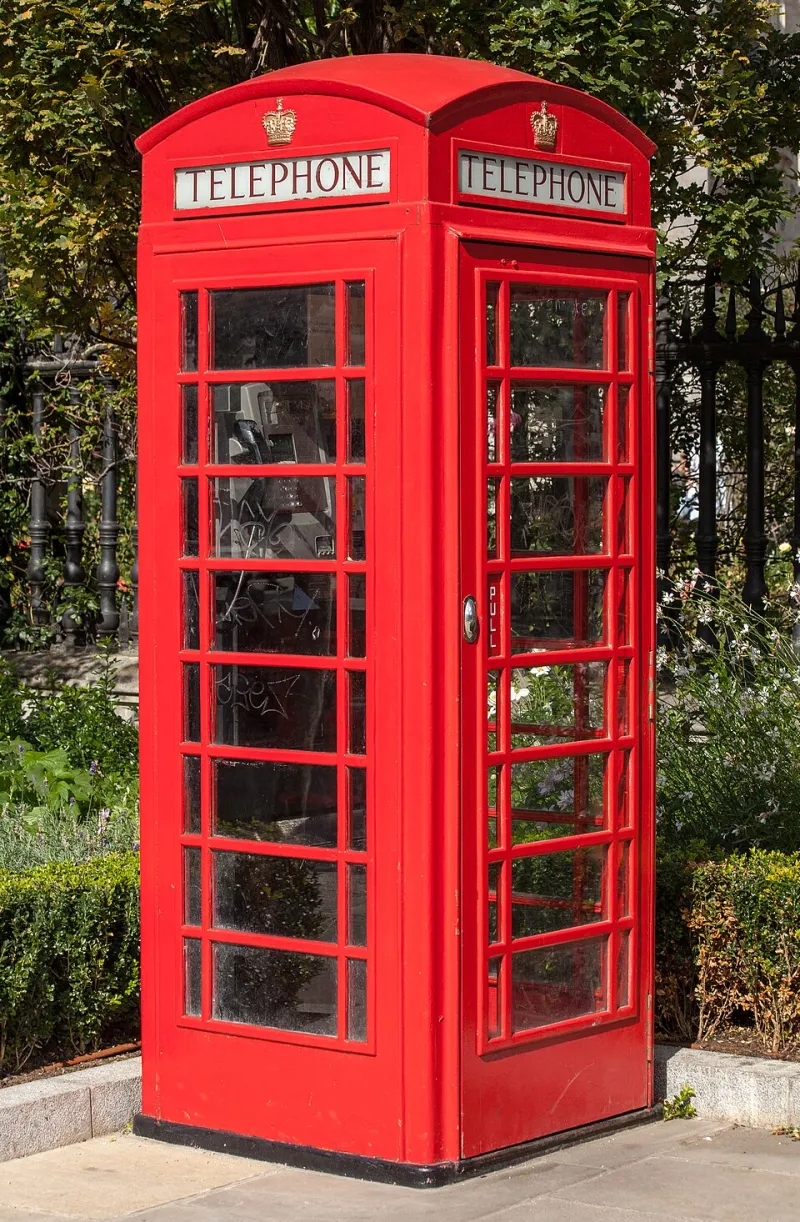
Photo: Christoph Braun, CC0, via Wikimedia Commons
The phone box on the corner no longer takes coins. It takes novels, cookbooks, children's annuals and the occasional jigsaw with three pieces missing. It is a book exchange now, painted red and standing its ground between the bus stop and the bakery, and on a damp Tuesday morning in 2026 it is doing better business than the cash machine down the road.
You have probably seen one. A decommissioned red kiosk, adopted by a parish council or a community group, fitted with shelves and a sign that says 'Take a book, leave a book.' It looks simple. It is simple, in the way that a village fete is simple: behind the table and the homemade signs there is a rota, a risk assessment and at least two people who know where the spare key is.
The rota nobody resents
The library is looked after by a small group of volunteers. They do not call themselves librarians, because they are not, and they do not call themselves custodians, because that sounds like a job title from a museum. They call themselves 'the phone box people', which is accurate and fits on a badge.
The rota is two names a week, twenty minutes each. The job is not onerous. Straighten the shelves. Take out the damp ones. Check that the door still closes. Sweep the floor. Remove the free newspapers that have been left as donations and the pizza menu that has been left as a joke. Restock from the box of spares in someone's garage. Write a note in the little notebook if anything needs fixing.
What makes it work is that nobody is asked to do too much. The phone box is small enough that twenty minutes is genuinely enough. The volunteers are not running a library service. They are keeping a small, useful thing alive, and they are doing it in the gaps between other things.
What people ask for (not always books)
The notebook is the best part. Officially it is a maintenance log. In practice it is a record of human beings being human. Someone has written: 'Do you have the second book in the Ruth Galloway series? No rush.' Someone else has asked whether the box could stock large-print books for an older neighbour. A child has drawn a picture of the phone box with a cat on top. The cat, it should be noted, has not been officially adopted.
The requests are not always for books. People ask for directions. They ask if the bakery is open. They leave a lost glove on the shelf and come back for it two days later. One volunteer was asked whether she could 'keep an eye out' for a set of keys, which is not a library service but is exactly what a meeting point does.
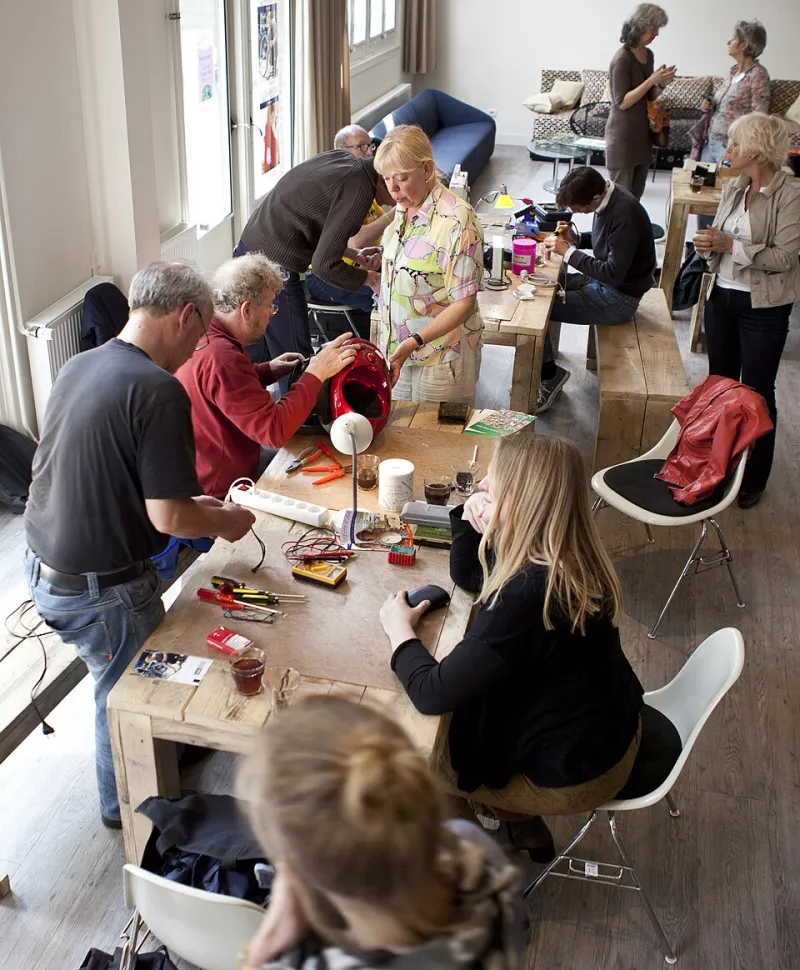
The phone box has become a small civic noticeboard too. There is a card for a repair café, a poster for the summer fete, and a handwritten note from someone offering spare tomato plants. It is not the main village noticeboard, but it is the one you pass on the way to the shop, and that makes it useful in a different way.
The practical bit: adopting your own
If you are thinking of adopting a phone box or starting a micro-library, the first step is not painting it red. The first step is finding out who owns it. Many decommissioned kiosks are sold or adopted through BT's Adopt a Kiosk scheme, but not all, and the land underneath matters as much as the box itself. Speak to the parish council, the landowner and the local planning authority before you get enthusiastic with a roller.
If the box is listed, or in a conservation area, check what you are allowed to do. Shelves and a sign are usually fine; a new roof and a mural of a giant owl may need a conversation. Insurance is worth sorting early. So is a cleaning rota, because a phone box in a damp climate is a small greenhouse for mould.
Stock is the easy part. Start with paperbacks, children's books, cookbooks and local interest. Do not accept encyclopaedias, Reader's Digest condensed editions or anything that has been in a shed since 1998. Keep a box of spares nearby. Put a clear sign on the door: take a book, leave a book, and please do not leave bags of donations on the step. The step is for standing on, not for storing.
A notebook and a pencil are more useful than a fancy website. A simple rota on a clipboard is more reliable than a group chat. And a small group of people who are willing to spend twenty minutes a week is worth more than a grand launch event.
Why a phone box, why now
The high street has changed. We know this. The bank has gone, the post office is in the back of a shop, and the bus timetable is a work of speculative fiction. A phone box library does not fix any of that. But it does something small and real: it gives people a reason to stop, look in, and say hello to whoever is sorting the shelves.
It is street furniture with a second act. It is a book exchange, a lost-property desk, a weather station and a meeting point. It is also a reminder that a high street is not just shops. It is the stuff between the shops, and some of that stuff can be looked after by people who live nearby.
So if you pass one, take a book. Leave a book. Read the notebook. And if you see someone on the rota, say thank you. They are the reason the door still opens.